
Yes, you can apply PPF to repainted car panels, but the new finish must be properly cured, adequately bonded, and properly prepared. A repaired panel isn't automatically deemed unsuitable. Paint performance, paint-job history, curing directions, and surface condition are the factors used to determine the difference. An inspection before installation can prevent lifting or bubbling of the bumper, bonnet, and door film and avoid damage if you need to remove it later. Knowing these checks is even more critical in Brighton, Somerton Park, and throughout Adelaide, before you invest in paint protection film.
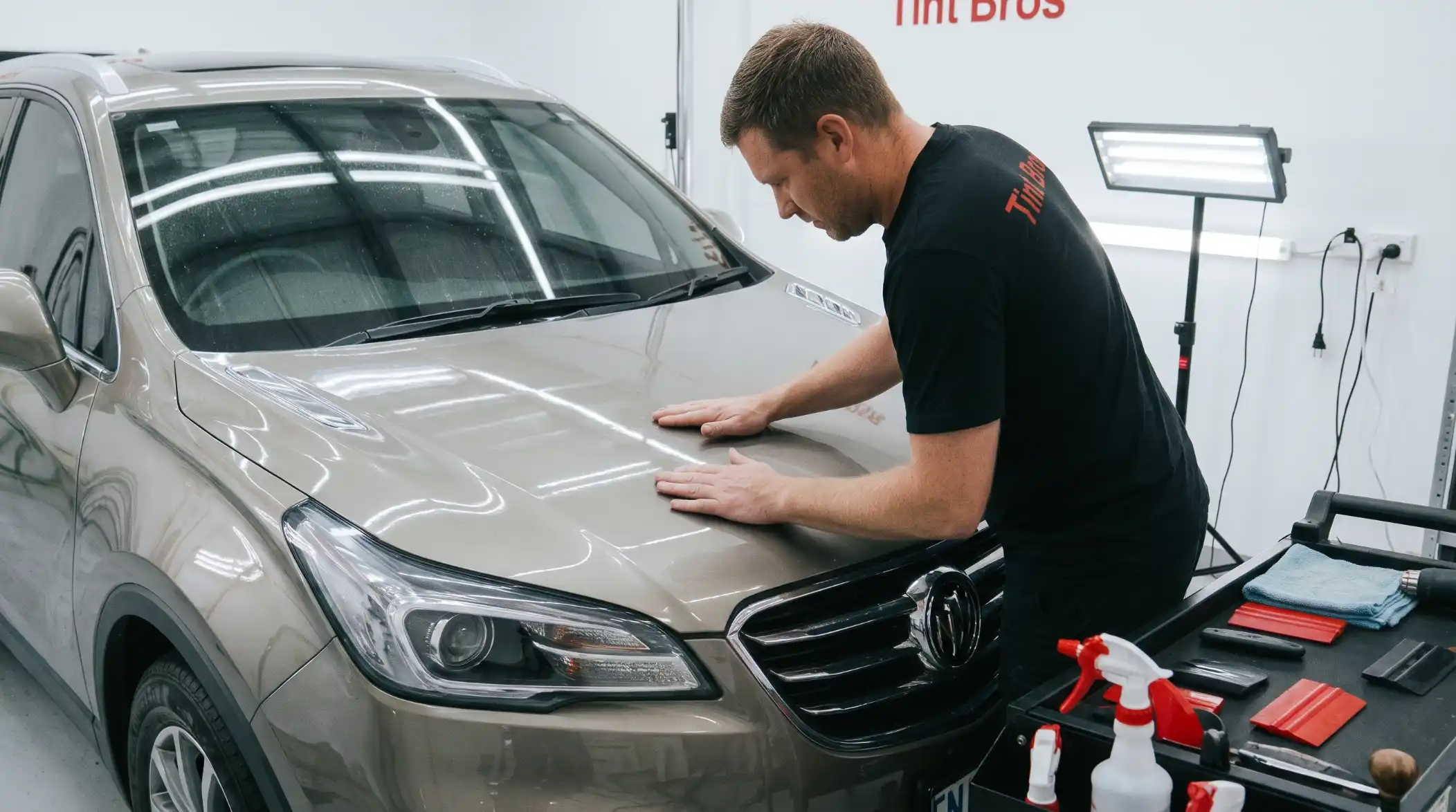
A Brighton Client Example: The Importance of Repair Details
The following is an example of how the process works. A Brighton driver Aliz had his SUV's bumper re-sprayed after a low-speed car park scrape. The owner would like PPF applied to the repaired bumper to prevent the finish from stripping during his trip to the area. In the preliminary discussion, the installer enquired when the repair was done and what paint system was used for the cover repair. When the owner finds out that the body shop has recommended that the vehicle be cured for a length of time he hasn't completed it. The appointment is postponed rather than paint being installed immediately, until the repairer has confirmed the paint is ready. The bumper is tested for finish and picking up issues at this second inspection, before the film is installed.
Why Repainted Paint Needs a Different Approach
Refinished paint or factory paint may have different properties. Factory finishes are applied and cured in a controlled factory environment. Body shop paint may be applied with a different system, process, and cure. If a professional repair is not prepared and applied properly, the adhesion of the primer, basecoat, and clearcoat may vary. The clearcoat is bonded to the PPF with a pressure sensitive adhesive. When the clearcoat is soft, saturated, improperly bonded, and/or contains solvents, it may not form a consistent bond with the film. Trapped solvents can cause bubbles or hazes; removing solvent from weak paint can cause the factory to lift. That said, it is not a reason to avoid PPF on repaired paintwork. It means you shouldn't assume the panel was originally undamaged paint; you should judge it on its own merits.
Which Paint Can You Put PPF Over?
Typically, but not right away. After the fresh paint is finished, it can take time to cure and release solvents before applying an adhesive film. The waiting time varies depending on the paint type, hardener, coating thickness, booth ambient conditions, and whether it's air-dried or air-cured. Seek paint system technical advice from the body shop and written confirmation that the finish is ready for PPF. This ‘before waxing time’ question can be useful, but must not surpass the manufacturer's recommendations for the paint. Don't use a 30 day rule or assume that paint is dry if it feels dry.
So, What Should Be Inspected Before Installation?
A professional evaluation should check for the shine. The installer must be familiar with the repair type, how it was refinished, and the surface's stability for the film.
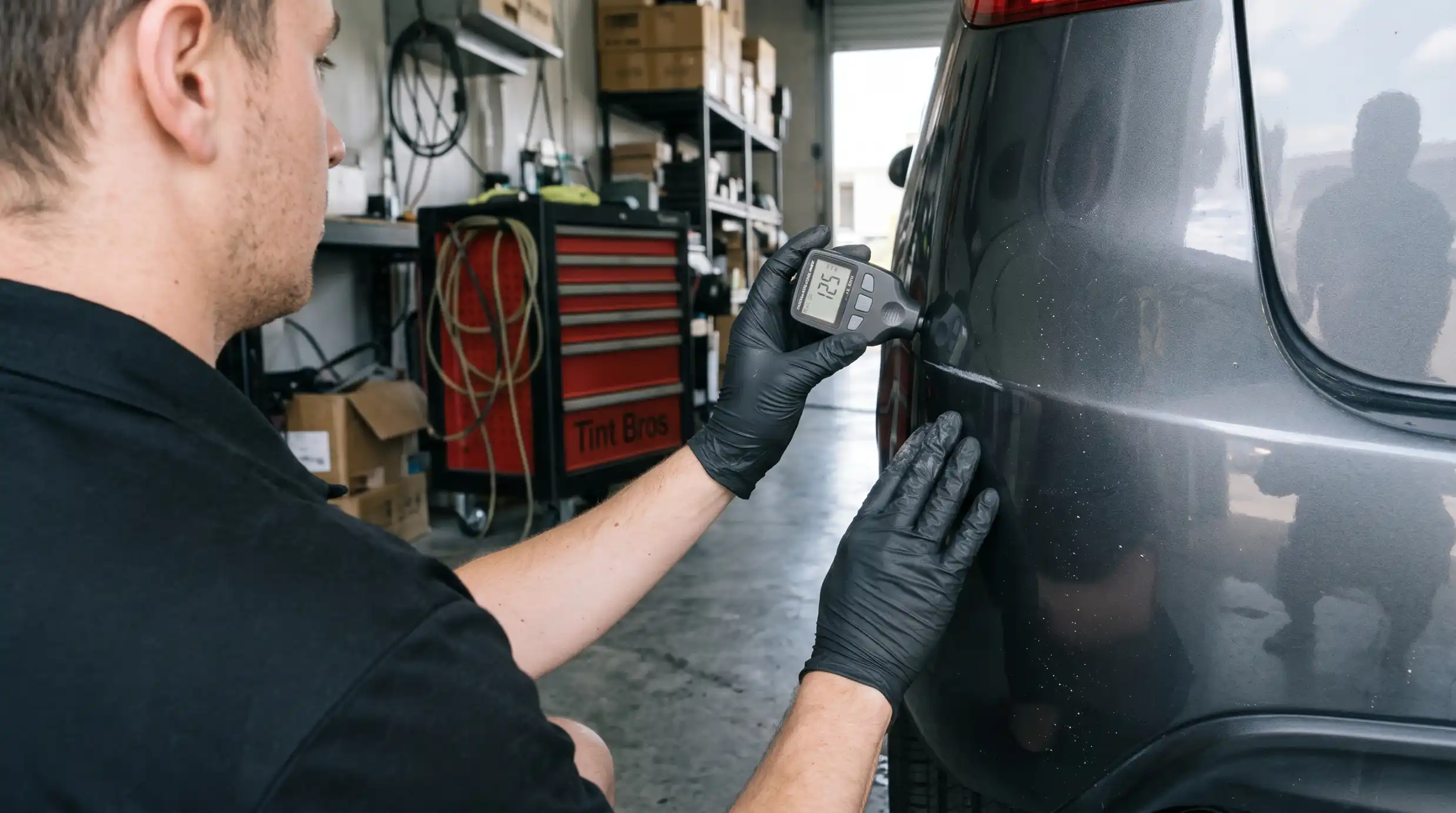
Important Checks Include
- Cure status: Ensure that the recommended cure time, as suggested by the paint manufacturer, is met.
- Paint adhesion: Check for peeling at corners, cracking, overspray, or poor bonding.
- Surface finish: Examine for dust-colored nibs, runs, deep sanding marks, and clearcoat imperfections.
- Repair history: Look for replaced panels, filler, spot repairs, and blended paint edges.
- Film compatibility:Based on the PPF manufacturer's preparation and application instructions.
If you are unsure, you can have the panel checked by the repairer, or request details of the refinishing job before booking the repair.
Advantages and Potential Disadvantages of PPF on Repaired Paintwork
If the repair is completely intact and cures well, PPF can help protect the refinished surface from damage caused by stone chips, road debris, bug splatter, and normal road abrasion. It can be beneficial for a replacement bumper or bonnet that's getting a new paint job and will be hit with frequent highway use in Adelaide. Try to adjust your paintwork, though, and film will improve your results! In some cases, it can be more obvious under particular light and will not reinforce a weak paint-to-panel bond. Taping film over sharp edges, deep contours, or repair areas must be done with care. A good installer will suggest leaving the questionable panel uncovered or paint-correcting it further to ensure none of this type of panel is painted.
Do This, Not That: The Repainted-Car PPF Checklist
| Do | Don't |
|---|---|
| Always let the installer know if the vehicle has had any repairs or repainting. | Never hide previous paintwork or assume it will not affect the installation. |
| Ask the body shop or paint manufacturer how long the paint needs to cure before applying the film. | Do not rely on the same waiting period for every type of paint. |
| Carefully inspect the panel to make sure the paint is in good condition, with no defects or weak areas. | Avoid applying film over peeling, soft, damaged or contaminated paint. |
| Check the film manufacturer's recommendations and warranty terms before installation. | Do not assume that repainting is covered by the same warranty as factory paint. |
| Discuss with the installer which panels are suitable for wrapping before starting the job. | Do not force the installation on any panel that does not pass the inspection. |
How PPF Compares With Leaving Repainted Paint Unprotected
When installed correctly, a film will block numerous impacts of light and surface contaminants. Without a sacrificial layer of unprotected respray, chips and scratches can penetrate the clearcoat or colourcoat more quickly. Remember, PPF isn't armor against all impacts, deep gouges, or areas that don't have good bodywork repairs, and it doesn't replace quality bodywork repairs. Tint Bros Brighton makes paint protection film that helps reduce the risk of stone chips and road debris on sensitive painted parts. It can be customized from spot coverage to full coverage over the entire vehicle. Coverage will vary depending on the vehicle type and the driving conditions and environment of each panel. Still weighing up your options? Compare ceramic coating vs paint protection film.
Final Takeaway
PPF on a repainted vehicle can be a great option to protect a good repair job, but it's not a choice you can make at the last minute. Check that the paint has fully cured, declare the repair history, and follow the paint and film manufacturers' guidelines. Tint Bros Brighton can talk to Brighton and Adelaide drivers about the right PPF cover and determine the vehicle type before recommending next steps. Request a quoteand we'll inspect the panels first.