
Modern cars use cameras and sensors for lane-keeping assistance, adaptive cruise control, automatic emergency braking, and driver monitoring systems. One question that needs to be addressed before installing window tintis whether it can affect cameras, sensors, or ADAS. It can, depending on where the film is placed, the glass's optical properties, and whether a camera or sensor passes through it. Before treating any windows, an installer should check the vehicle to ensure it isn't a standard tint job. This is especially important for cars with a camera cluster behind the rear-view mirror in Brighton and other nearby Adelaide suburbs. At Tint Bros Brighton, we consider the tint level, required tint, camera positions, and tint location before recommending a film.
Does Window Tint Affect ADAS?
Window tint doesn't automatically disable ADAS. However, the film can modify the light the ADAS camera receives, reflections can arise, or the system's viewing situation may change. However, there is a distinction between side/rear tint and the glass in front of the camera with a camera behind it. Modern systems rely on specific glazing areas; changing these without consulting the builders is not a wise move. A proper installer will locate camera housings, rain/light sensors, and other gear before applying film to the lens. If a camera is installed behind the windscreen, it should be protected, and you should follow the car manufacturer's instructions.
Can Window Tint Affect Cameras?
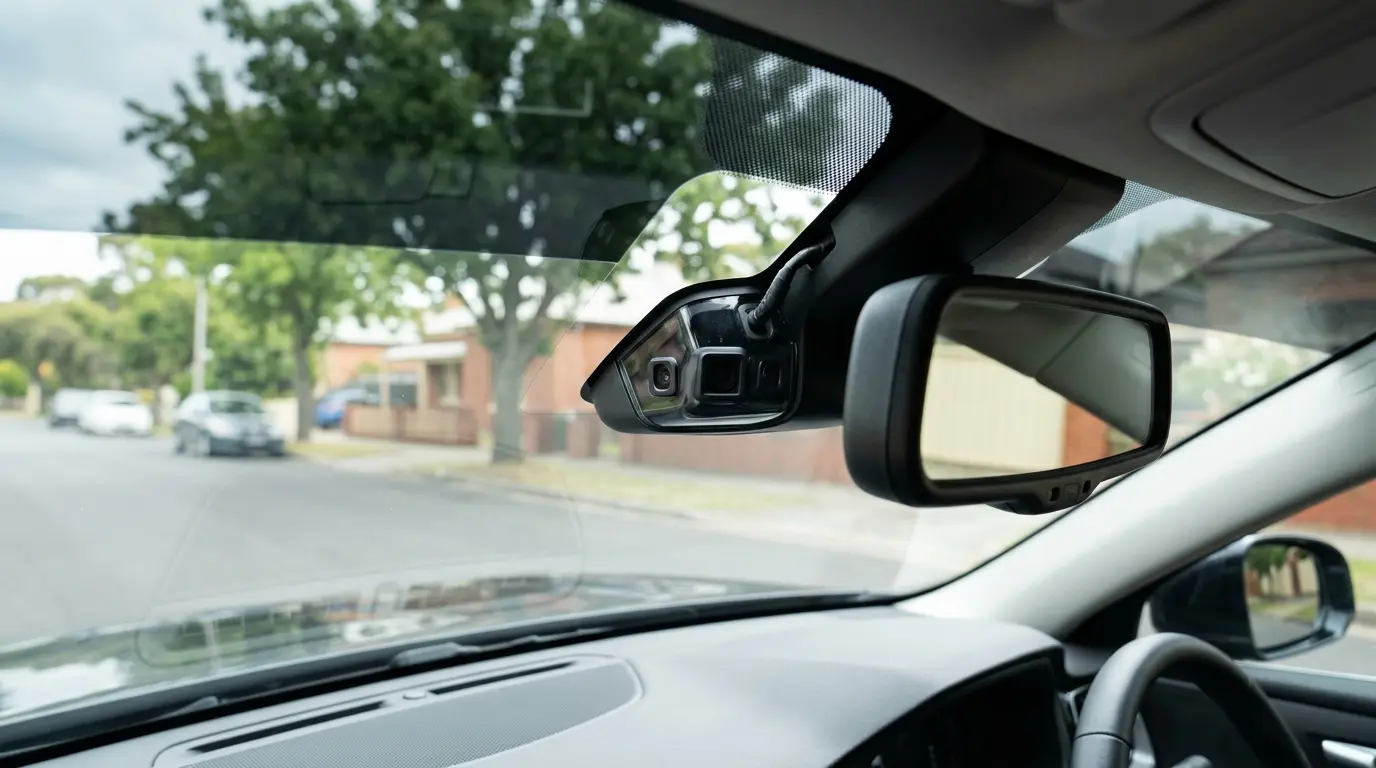
Yes, when you need to see through tinted glass, such as a windshield, with a camera. This is particularly important with forward-facing cameras located at the top of the windscreen. Never assume that a “clear” film is safe. The key question is what effect the total glass-film combination has on the camera's optical conditions. Therefore, verify camera positions before installation, especially on newer cars equipped with multiple driver-assistance systems.
What About Window Tint Sensors?
It is unusual for sensor problems to occur if film is installed outside the sensor's optical path. But these days, vehicles may contain a variety of sensors, components, and other gear within the confines of this glass. Know what's behind the glass before deciding on the film. Avoid obstructing the camera or any sensor windows, as this could produce a non-uniform image. Depending on the unique sensor design, an installer might not tint any particular area of a windshield, while applying tint to the side and rear glass. This can help maintain the technology while providing thermal benefits and some privacy, UV control, and glare reduction.
Windshield Tint ADAS: What Should You Check?
Windshield tint requires additional maintenance since the window glass is a driver's main field of vision and it can be configured with ADAS technology. Official guidance in South Australia requires the windscreen to retain the required luminous-transmittance rating, with only the fibrous top of the windscreen treated in a darker shade. The rule also states that any tint on the band cannot cover up any OE sensors and cameras located inside the windscreen.
Before considering windshield tint, check:
- Where the forward-facing camera and rain/light sensors are located.
- Whether the manufacturer specifies a no-film or no-obstruction zone.
- The final visible light transmission of glass plus film.
- Whether the proposed installation meets South Australian requirements.
- Whether the installer can explain how the film avoids the camera’s field of view.
However, if you're using the word percentage, you must note that it's not just the number quoted on the film sample; it's the tint level achieved after glazing is complete. For existing body tint, the official recommends testing the tint level before applying film to ensure the combined luminous transmittance and reflectance comply with the official.
A Tint Bros Brighton Client Story
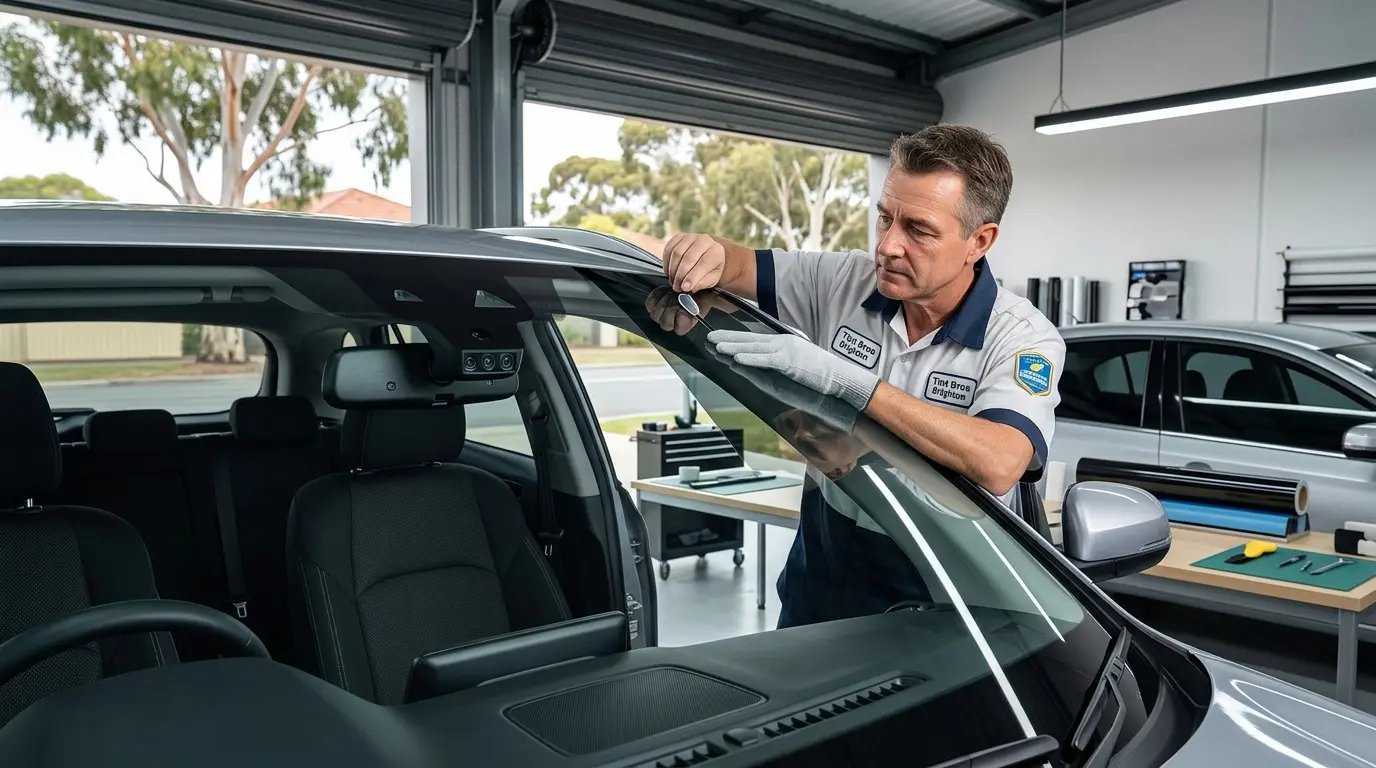
Now consider an imaginary case study of a consultation a typical modern car owner might need, called “Michael”. We recently saw Michael come to our Brighton workshop with a new SUV, and he wanted a darker, cooler interior. He also said lane-keeping, adaptive cruise control, and a camera cluster behind the rear-view mirror would be included. The technician checked the cameras, reviewed vehicle use, and confirmed tint boundaries. Michael selected a higher tint level on the side and rear windows, but opted for a higher camera tint level on the windshield to ensure visibility. It's not that tint ‘breaks' ADAS. Rather, a pro installation begins with the identification of technology. In this story, the examples are fictional to help visitors better understand the choices available.
What Should Modern Car Owners Ask a Tint Installer?
Before booking, ask:
- Did you find all the cameras and sensors behind or near the glass?
- Will the film change a camera’s viewing area?
- What is the total cost of the last item in my VLT (glass plus film)?
- Does the installation of this device comply with my State or Territory's laws?
- Are there any areas on the windshield that are not tinted?
- Are you following manufacturer guidelines for handling ADAS systems?
- What are optical clarity, heat rejection, and warranty?
Tint Bros Brighton produces premium tint films for your vehicle, including Sun Tek CXP, Solar Gard ion ceramic, Rayno s9 phantom, and Ultrafit vs signature. The range centers on comfort, heat rejection performance, sun protection, and aesthetics.
Why Film Quality and Installation Technique Matter
It's about breaking that darkness. Proper automotive film should be optically clear, have clean edges, and perform consistently. Even if the tint is legal, poor installation and bubbling can still create distractions. Tint Bros Brighton has operated for 20 years and has handled thousands of vehicles, with support from certified technicians. Professional tinting for cars with ADAS should complement, not replace, the car manufacturer's tint standards and calibration systems.
Final Takeaway
Window tinting isn't all about the darkness. If you have an ADAS system or cameras/sensors, identify those parts first, protect the view through the cameras or sensors, confirm the VLT, and follow local regulations. A professional consultation may help drivers in Brighton, Adelaide, and other South Australian areas choose tints that feel comfortable and match your desired look without causing unwelcome problems for vehicle technology. Before installing a tint or a camera, ask for a vehicle evaluationif you don't know how dark it should be or where the camera needs to go, especially for ADAS.