
If you can't see through a window as far back as you'd like, or it's blurred or has a purple tint, the vehicle can look older and have visibility issues. But if it's on the back window, the next problem is that the fog/condensation-preventative lines are too thin. Can you remove the earlier tint from the automobile window without harming the rear defroster? Yes, but it depends on the condition of the demisters (top of the windows) and the method used to remove the demisters from the film. This is a highly sensitive electrical grid that can be damaged by vigorous peeling or scraping. When drivers are learning about window tint removal in Adelaide, it's important to understand what's involved so they can decide whether to do it themselves or leave the job to a tint technician who can remove the tint from the back.
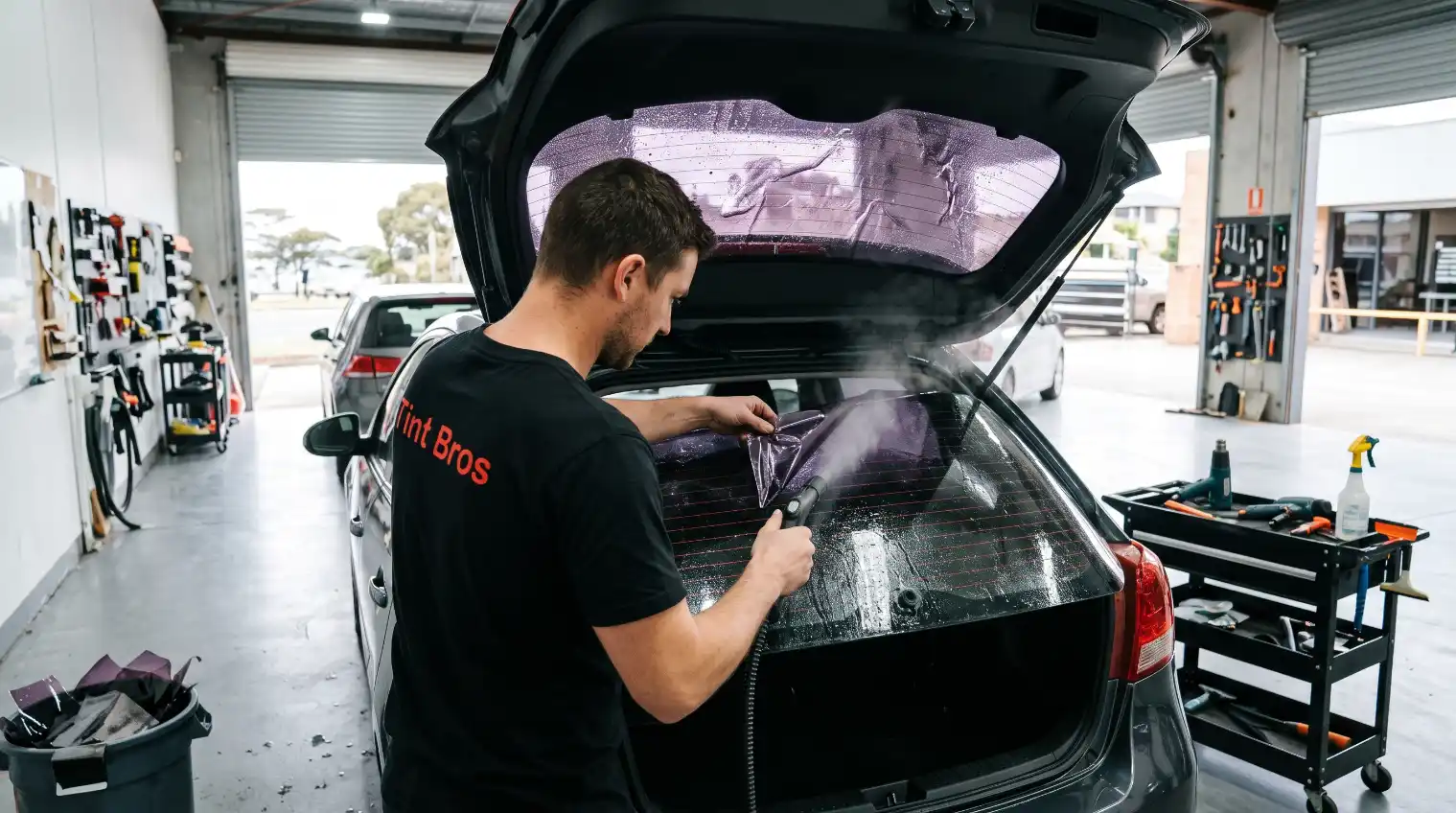
Our customer's example:
Then imagine that Bob arrives with a family hatchback with a purple gloomblock that is peeling up at the back. One thing the driver will pay particular attention to is keeping the windshield as clear as possible in the morning, as it is very likely to sweat. The driver will want the demister working, as it can reduce visibility in the morning if there is still fog. The technician first looks at the glass and finds most of the lines are fine, but one section needs further investigation. Instead of removing it all at once, the technician cuts it into sections and cleans each as he moves around the grid. After cleaning the glass, the tech checks it again and performs the demisting test. The main thing to learn here is that not all jobs are like this, and the technician works at risk from the start, relying on a rough inspection, patience, and a procedure that matches the window. After detector checks, if lines are broken or loose, discuss this beforehand.
Why is it more difficult to remove the tint from the back of your car?
The most common elements in rear demisters are fine conductive lines attached to the inside of the glass. These lines come into play when the glass is misted and activated, heating it to help remove the mist. When lines break off, the demister may not demister unless they are scratched back in and picked up. Easier to work on there is no grid on side windows. Old tints on the rear window glass may be brittle, discolored, or stuck, and will need a more careful window-tinting procedure. The film can stick to the adhesive, leaving marks on the heater lines; using a blade or abrasive pad improperly may damage the heater lines.
Can you install and remove car windows without damaging demisters?
In many cases, yes. The idea is to remove, or deteriorate, the tint film and adhesive layer by layer so the tint doesn't break apart all at once. Controlled heat or an adequate steam process will remove the film, which will then be carefully lifted, and any pegging residue treated. This will depend on the vehicle, film, glass condition, and access. There is no absolutely safe way to remove a rear window. Existing damage may be exposed or become more severe when the lines are pulled off if they are already scratched or corroded or have already come undone in part. Inspections before work can help highlight problems. Don't apply any more heat or force to dislodge it any faster. Heat buildup, rough scouring pads, or improper chemicals can cause this. If the film is crumbling into tiny fragments or the lines look like fine strings, it's best to hire a professional service. Film that has bubbled, hazed or lifted early may also point to an install fault rather than age.
If you have a tint on the back of your window, what is the proper way to remove it?
While it can be done in various ways, the basic procedure is as follows:
- Check for damage and remove the demister film only when the glass is undamaged; check for breaks, scratches, or demister lines that have separated.
- Reduce damage from water, adhesive, and cleaning solutions: protect over-cut or nearby surfaces.
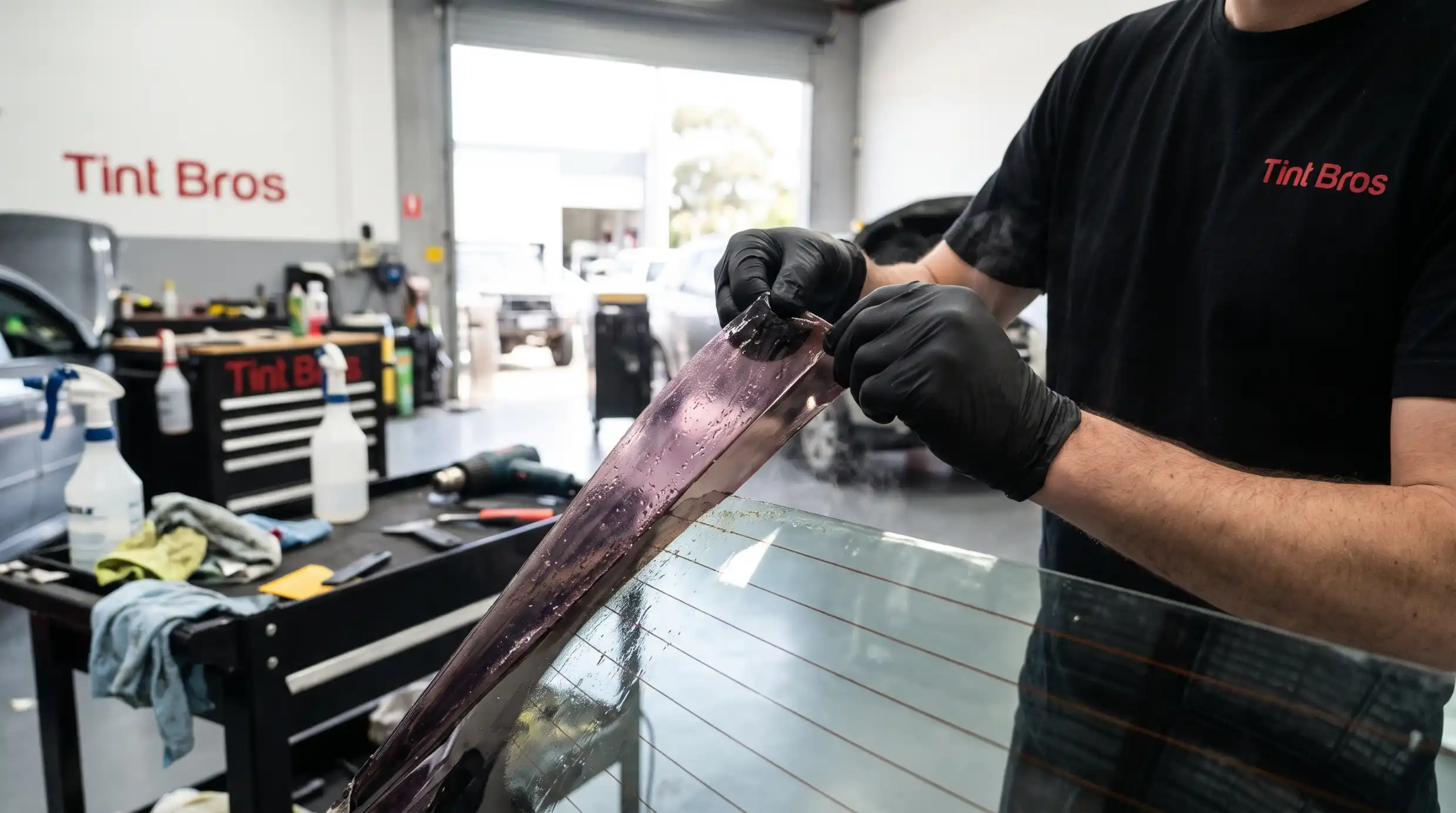
- Softening the film: Gradually heat the film slightly or steam it appropriately.
- Use prescribed movements: slow/shallow, don't do too much, work in small portions.
- Appropriately clean the adhesive (carefully; do not abrade the lines)
- Test and check: If possible, test the demister by checking whether the window is clear and dry after use; observe a window when it's clean and dry to see if it's also clear after using the demister.
Which is best: DIY or professional?
But if the gray on the window has in fact started peeling off, removing the car window tint at home can be economically appealing. On the other hand, the back window is generally the smallest to deal with! If they don't match, you may find glue behind the film, scratches, or mismatched demisting marks. A damaged heater pipe can be tricky to repair, and removing it by mistake can lead to unexpected expenses. You might need to get the car window tinted professionally if the tint film is hard to remove, has strong adhesion, is curved on the back, or if you live in a colder or wetter area. Ask the installer whether they protect the heater lines during installation, and whether they check the grid before or after removal. If they can explain it clearly, then there is a process, but no process is without risk. Once the old film is off, a replacement such as SunTek CXP or SolarGard Ion Ceramic can go on, and it helps to know why a tinted car can still feel hot before choosing. If the rear glass is factory privacy glass, read whether you can tint over factory tint first.
Final takeaway
Sometimes you can't remove the old tint without removing the working back demister, but there's a procedure to follow. The biggest problems come from aggressive adhesive removal methods, unsuitable scraping techniques, and overly vigorous peeling. Always inspect heater lines first and be careful, depending on the glass; if the film is brittle and the grid looks weak, seek a professional service. When looking for window tint removal companies in Adelaide, ask what they'll do, and make sure they also discuss the rear window protector. You can book a rear window assessment with a tint technician before any work starts.