While you might be thinking, “Well, I may want to go darker on my car's rear window,” consider how much darker you might want the car's window, or how much the temperature will drop when parked or in the sun, by adding another window tint grade on top. Yes, it is possible to have a darker tint than the factory tint. A darker tint than a factory is possible. But the right selection would be determined depending on the type of glass, the type of film, and the visible light transmission (VLT) after the installation of the film. Window film is not "FACTORY" privacy glass. If you know the difference, you won't be held responsible if you select dark windows that don't let anyone see through them at night, or make for a failure in success.
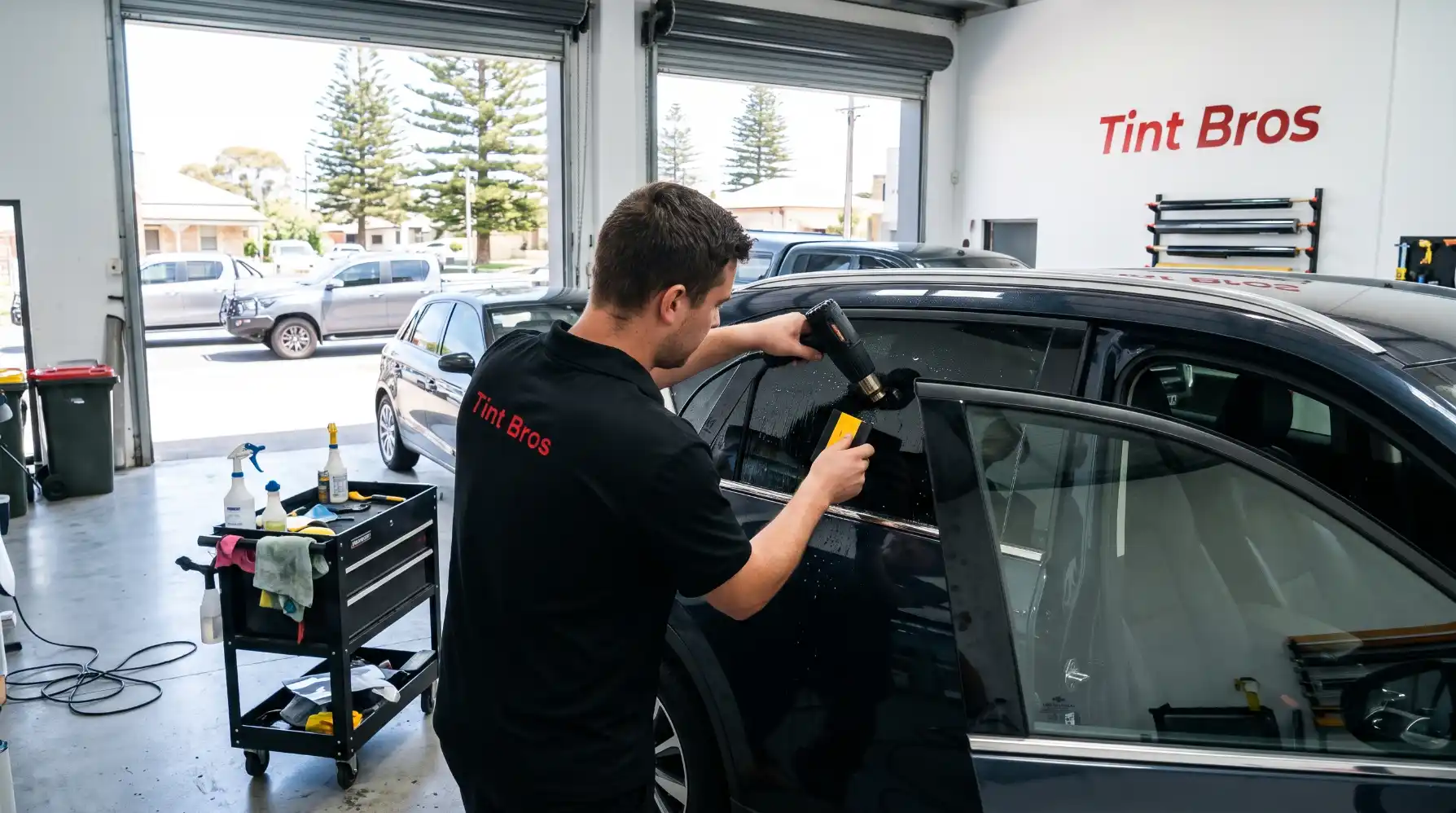
Customer Story: Getting a Consistent Look
An Adelaide SUV driver Qais, He has both tailgate and rear doors and factory installed privacy glass down on both of them. The front windows are lighter than the others, and he is looking for uniformity as well as an increased amount of heat during the summer. First, he requests the darkest screen they can get, in case he thinks that the darker, the better the show will be. The installer tells the client that installing film on the back glass will further lower its VLT, and the front windows must have a legal VLT. The owner checks the specifications of the film, how often they go to work at night, and picks an appropriate film. Not maximum darkness; they are concerned with comfort, visibility, and compliance. Rule of thumb in lesson: Don't start any installations before deciding per window - talk through what you want to achieve.
What is factory tinted Glass?
Many SUVs, utes, and people movers have dark rear windows as an option, provided you've chosen to install them. Most SUVs, Utes, and people movers have dark glass windows as a factory choice. This tint glass uses reactors to dye the tint into the glass, rather than applying a tint film over the surface and then removing it when the time is ripe. It will appear darker, but not as cool as a good aftermarket tint. Aftermarket window tintis a very thin film that is installed on the inside of a tinted window. It's available in various specifications that could reduce or completely block glare, filter and block UV radiation, or affect the amount of UV radiation to the cabin and others. If a greater amount of heat rejection or an even appearance is desired, it may be advantageous to place a tint over factory-installed privacy glass. They won't improve depending on how dark the color is, but rather on the performance.
Do you think it is possible to double-tint car windows?
There are many types of aftermarket film, and you can actually paint on factory glass to a certain extent, depending on the quality of the factory glass and the type of film. Factory privacy glass is typically colored glass, unlike an existing adhesive film on the window, so there is no existing film backing to interfere with the new film. Double tinting is a bit more complicated, though, when the car you tint or darken is tinted or faded from its original tints. Don't use more than one layer of film, as it may bubble up or opalesce or lead to the film being hard to peel off in the future. A professional will need to inspect the windows to find out if the windows have factory-installed privacy glass, aftermarket privacy film, or no privacy film at all, in order to be able to recommend a solution.
What factors can impact the degree to which factory tint windows can be tinted?
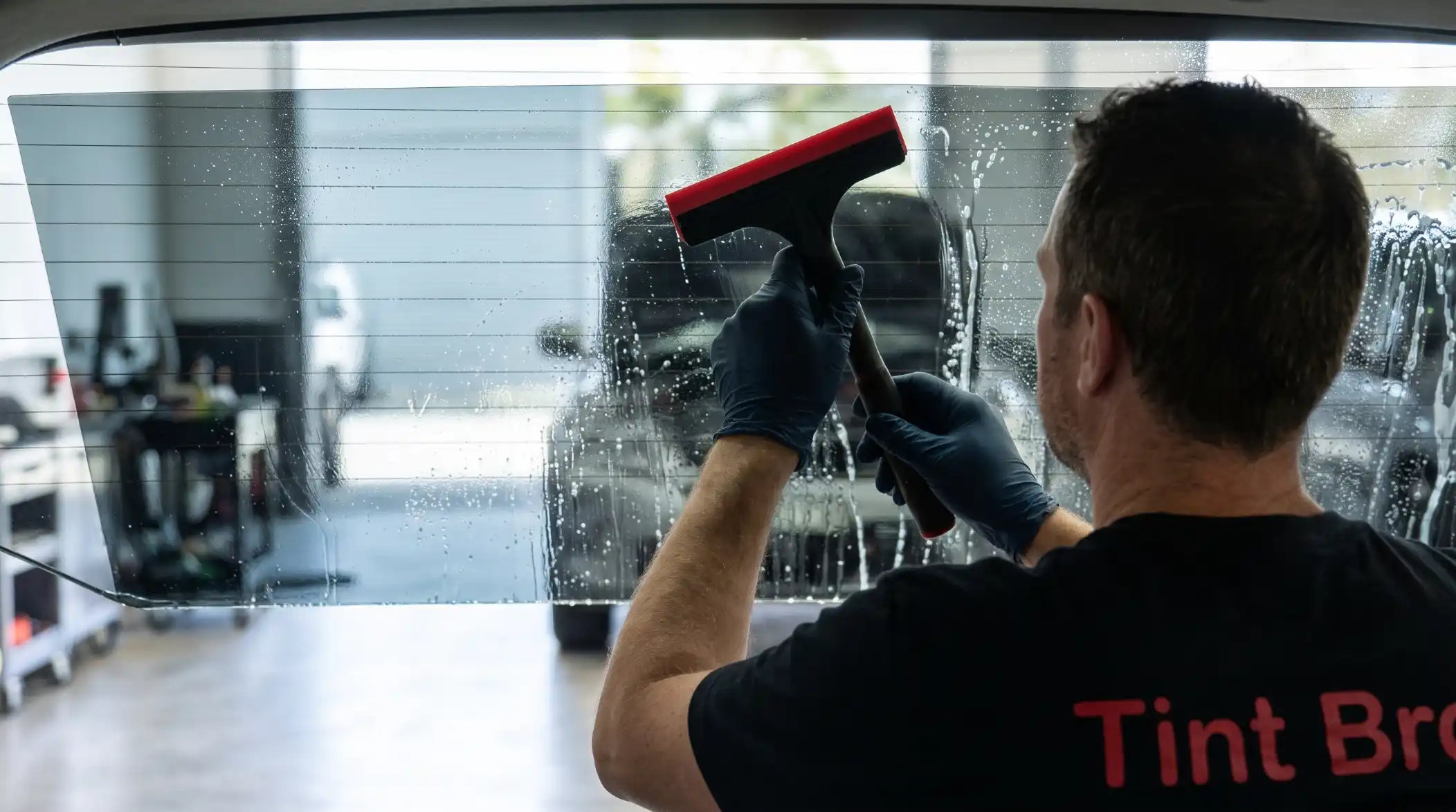
The amount of visible light that passes through the glass is called VLT. It is the percentage of visible light that is transmitted through the glass/film. The lower the VLT rating, the darker the window. Tint over tint (under 30 VLT) - VLT will become less intense. A certain portion of visible light may pass through a glass, and another part pass through a film, then approximately fifteen per cent (30 percent × fifty per cent) of visible light will get through the combination. This is just a simplified sketch, and NOT a gauge of your car. This means a big difference; windows tend to be much darker once installed, and they can be dark enough to be a real difference-maker. This may lead to a poor view on the rear window when using a trailer, when parking in low-light conditions, or when driving during the night. Although this might be your decision based on appearance, you might want to factor in total transmission through the combination of glass and film, in which case ask your installer to consider this as well.
Will it be legal to Tint over factory privacy glass in Adelaide?
This may differ depending on the SA and final light transmission standards and vehicle standards. The factory privacy glass does not necessarily mean you should be able to put on another film. Front windows will have different requirements than rear windows. Before installing, please consider existing rules that apply to your car and the film to be proposed. It's a good idea to take time and find out what window tint requirements are for each window when installing window tint on a car in Adelaide. The correct tint level may not be allowed for the front windows of a vehicle. A trustworthy supplying company will consult with you about compliance prior to supplying a product, not make guarantees for all shades. Cars with cameras behind the glass need extra care, so see how window tint can affect ADAS cameras first.
Advantages and Disadvantages of Double Tinting Cars
A major benefit of installing tinted film over factory-tinted privacy glass is comfort; you can improve your windows without having to change the windows. Enhanced heat rejection, UV damage, and glare are further reduced, if desired, with the use of suitable film. It may also give uniformity in the look of the vehicle. However, further tint will further diminish visibility. Particularly during late night hours. Also, the windows of each maker may have a different type of factory mark and may not be the same across different sections of the window sign. Note that darker does not necessarily imply a better heat-rejecting film - it is useful to compare film specifications, and why a car can still feel hot after tinting shows what really drives comfort.
When planning, the following issues should be considered:
- Find out whether the windows are privacy film or factory privacy windows.
- Evaluate performance: heat rejection, UV rejection, optical clarity, and warranty.
- Take and set the final VLT for the film or the glass: Calculate the combined VLT (Film and Glass) and establish the appropriate legal limits.
- Generally check Seals/Damaged Films on Windows - Scratches can ruin the windows' appearance. Check Seals/Damaged films on windows, Scratches may impact the overall look of the windows.
- Take into account “night use”. Lightness during the day is different to at night.
How to choose the right film
Before you start, talk about what you would like to change, which means whether you'd like it warmer or cooler, if you want more privacy, or if you want some less than you would get; you want more or less of what you look like. Consult your car glass installer about the products they use and what you can expect, since they will fit your vehicle's glass. If a film is already installed, try to determine if it is economical to remove the film first and then install a new film. Take care of the glass and window edges, product compatibility, and manufacturer's instructions; ask for expert evaluation. For your Adelaide area residents, choose a company that can provide you with information and explanations regarding the relevant regulatory requirements and products or warranties. Comparing films such as Ultrafit and Signature side by side makes this easier.
Final Takeaway
You can also tint over privacy glass installed on the factory owned windows, but this will be more complicated than darkening the tint. Another factor for tinting over factory tint is that of double tinting. Before installation, identify the type of glass, the overall VLT (combined), and ensure that it meets South Australian requirements. The ideal result is where the heat rejection, visual and appearance, and legality requirements are all considered. If tinting over a factory window tint, make sure to speak with your local window tinting service to understand window tint and what darkness is too dark. Request a quoteand we'll check the glass first.