
With double-glazing windows, or Low-E windows, tinting can help minimize glare, heat, and fading; however, you can tint windows without damaging them. Usually yes, always depending on the type of glass construction and then the surface on which the film is mounted. Tinting is more than picking the darkest film; it's about understanding the glass at Tint Bros Brighton. Here's what Brighton and surrounding Adelaide suburb property owners should know about solar control film.
A Client Example Demonstrates the Importance of Checking First
A resident of Brighton realizes that glare and heat are coming into their living room windows late in the afternoon. The house is double glazed and fitted with a low-E grade and the owner considers using a dark, readily available film after seeing it advertised online. An experienced installer needs information about the glazing to be installed and then references the film manufacturer's compatibility information before installation. The assessment indicates that the proposed film does not meet the unit's requirements. The installer then explains to the customer why it shouldn't be applied and offers an alternative whether an exterior product is recommended or not, and suggests the glass warranties be confirmed. This solution is based on the window, not a guess based on shading or how the window looks. The bottom line is that a quick evaluation can prevent a big problem.
Why You Need Extra Care When Selecting Double-Glazed Windows
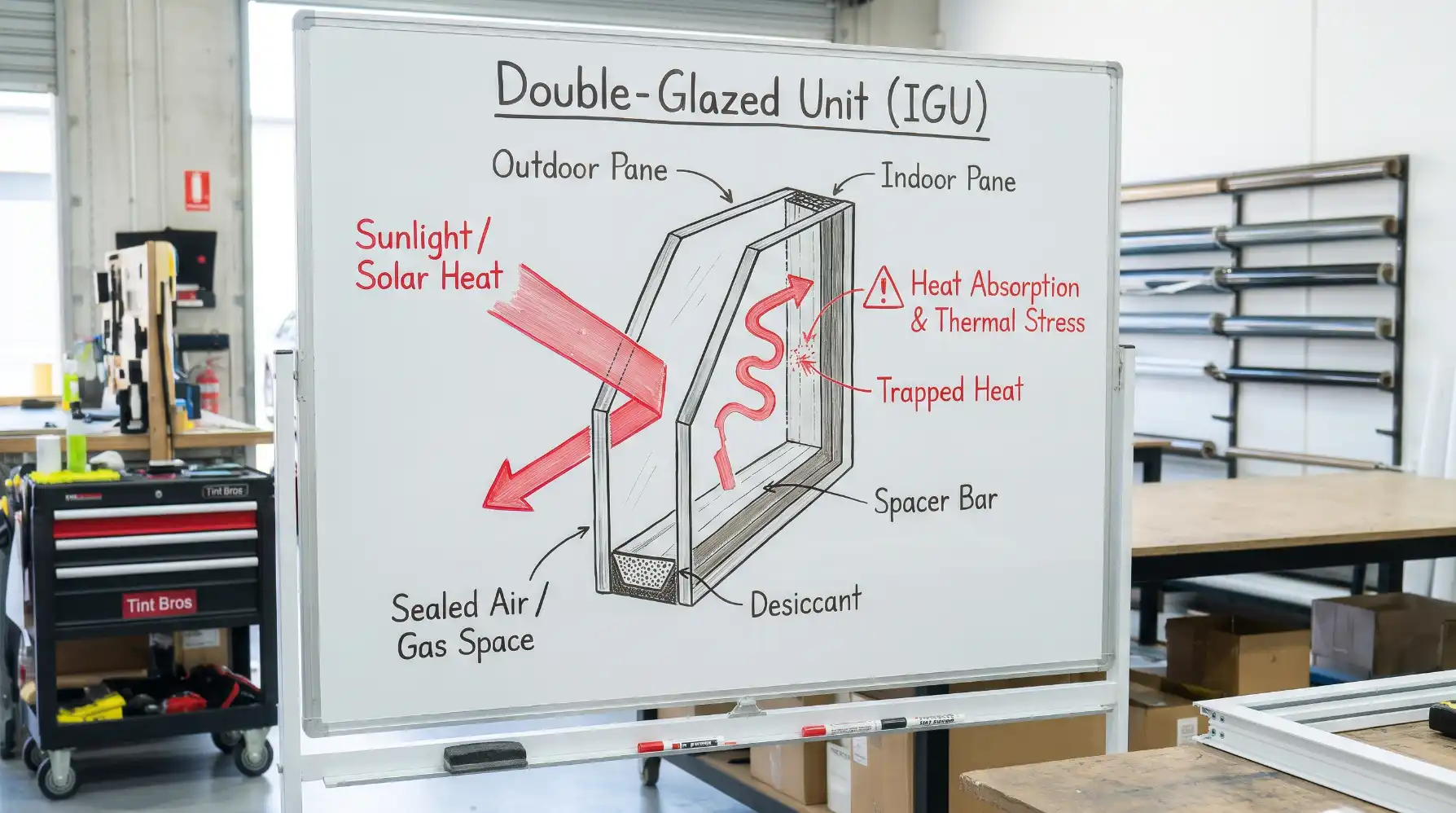
Double glazing consists of two layers of glass with an air or gas space in between. As a heat-insulating space, it can help reduce heat transfer and improve interior comfort. A Low-E (low-emissivity) coating is a microscopically thin layer installed on some units to reflect a certain type of heat energy. Adding film changes how solar energy passes through, is reflected, and is absorbed by the glass. A pane can absorb more heat than intended if the correct film/glazing is not used. The center can get warm while the edges are cooler because of the frame's shading effect. This uneven temperature will cause stresses in the pane.
What Is “Thermal Stress” and Will It Fracture Glass?
Unequal temperatures and expansion across different parts of a tinted window cause thermal stress. When the temperature difference is too great, the stress can lead to a crack, which may start as a small piece of material at the edge. Film does not necessarily shatter glass. Risk depends on:
- The type, thickness, and size of the glass, and whether it is annealed, toughened, or laminated.
- Tint currently installed, position of tint on the glass, film absorption and/or film reflection.
- Windows orientation, partial shade from trees and buildings, curtains and other heat sources around the window.
- When looking at edge conditions, there are some important points to consider. When considering edge conditions, you have a few factors to consider.
- For this reason, ensure that a film that works well on single-pane glass may not work as well on a double-glazed unit.
Can You Tint Double-Glazed Windows Safely?
Typically, yes, but not with ordinary products, for example. There is no universal compatibility information that can be used alongside the manufacturer's recommendations for double-glazed window film. The installer should assess both panes, as well as any coatings, condition, and the unit's exposure to solar radiation. For certain sensitive units, an external (reflective) solar-control film can help reflect some of the sun's energy before it reaches the glass. But exterior film is not a ‘new clause; the right selection can be an accepted internal film, an external item, or possibly a film in any way. A qualified installer should check the specific type of glass-covering combination, do not assume.
Why Tinting Low-E Glass Windows Is More Complicated
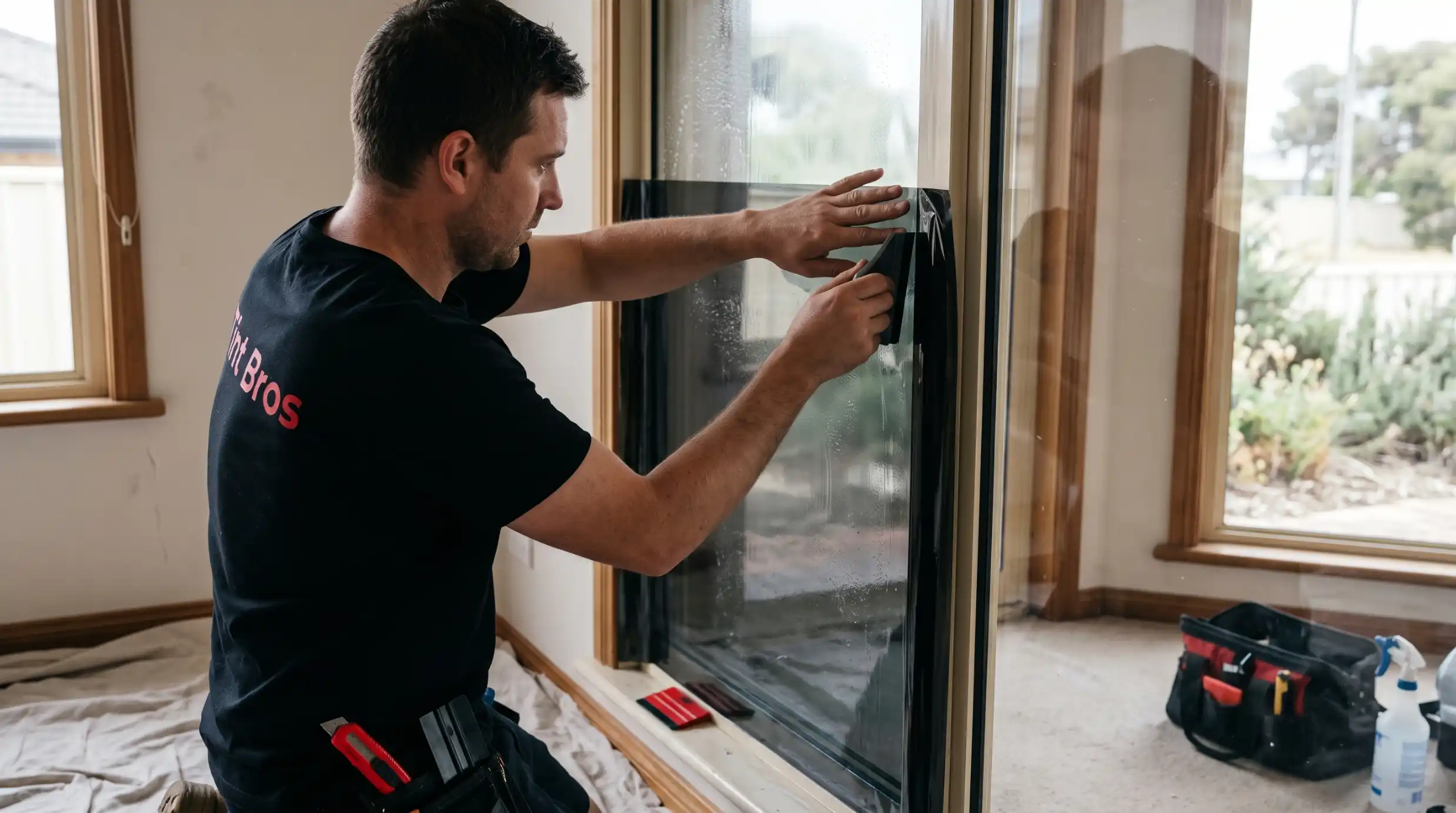
Low-E can be applied to various types of glass surfaces. The coating is usually protected in the cavity of a double-glazed unit. In other configurations, it can also be on an accessible surface. When film is applied directly onto a similar coating, the coating's intended performance may be impaired; conversely, cleaning or removing the filmmay damage a delicate coating. Thermal stress can also be higher if you have the wrong type of film. Thus, when you are tinting Low-E glass windows, you should be able to determine the exact location of the Low-E coating, not just that the glass is "Low-E". The Window Film Association of Australia and New Zealand (WFAANZ) recommends that installers speak to the supplier and test compatibility. Its advice includes an understanding that there's a possible route to a solution, but it matters more with glass.
Details to Consider Before Installing
When selecting window tint for double-glazed windows, you should ask your window tint installer to do the following:
- Determine existing damage, coating location, and glass construction.
- Review compatibility tables and the supplier's material/hardware recommendations.
- Consider orientation, pane size, shading, and proximity to heat-producing surfaces.
- Check the application side and have both warranties checked to confirm.
- Realistically illustrate expected level of heat, glare, and UV exposure.
- Have window documents and labels on hand. Stop if the type of glass cannot be determined.
Does the Window Film Interfere With the Double Glazing Warranty?
It can. Glazing manufacturers have different terms for using their warranty and may limit film use without written approval, or with an incompatible type of glass. Request confirmation from the window supplier or manufacturer before installation and obtain it in writing. Also check with the film supplier to confirm the correct product is appropriate for the glazing to be used.
Final Takeaway
Situations where double-glazed and Low-E windows are adaptable to careful placement of solar control film can be complicated and may worsen thermal stress or create warranty issues after application. Don't decide based only on the film's darkness or price. Look for glass that is compatible with film, follow the manufacturer's instructions and use an installer who knows about film-glass compatibility. Tint Bros Brighton is located in Brighton, at Somerton Park, and serves surrounding Adelaide areas. Our site currently focuses on automotive window tinting, so contact us todayto see whether your architectural glazing needs are met; if they are, we can advise you or point you to a specialist. Be careful; don't install it if you haven't addressed the concerns with a careful answer.